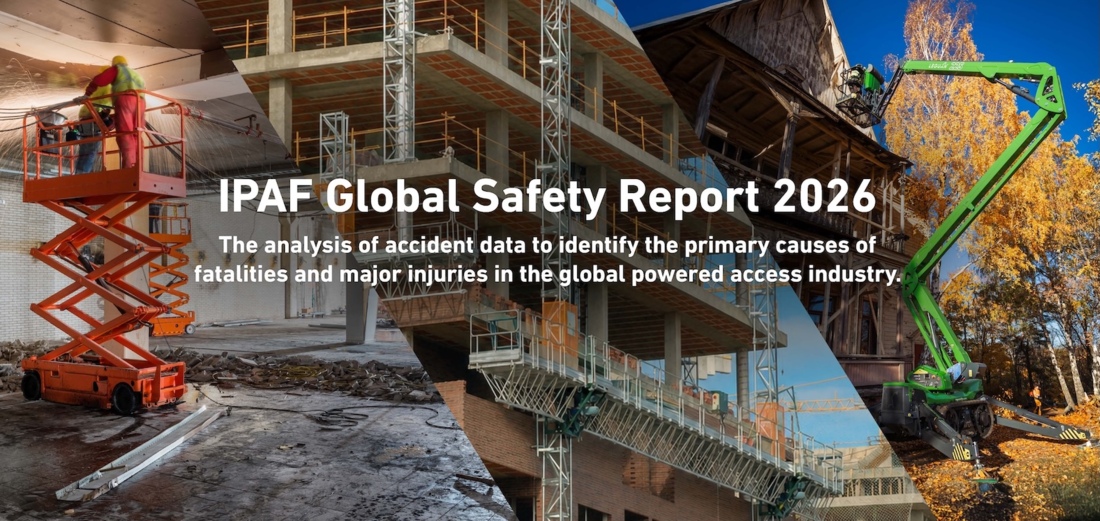
IPAF (The International Powered Access Federation) has published its Global Safety Report 2026, which identifies electrocution and electric shock as the leading cause of fatal and major injury incidents involving powered access equipment in 2025.
The federation logged 170 reports of fatal or major incidents last year, down 15 percent on the 201 received in 2024, and 76 fatalities, down 24 percent from 100. Reports came from 25 countries and involved 192 people, which is nine percent fewer than the previous year.
Electrocution and electric shock accounted for 28 reports from six countries, involving 20 deaths, with 71 percent of those reports coming from the United States. Falls from a work platform and overturns were the next most frequent causes.
Construction accounted for 37 percent of incidents, followed by arboriculture and rental activity on 13 percent each. Self propelled booms - IPAF category 3b - were involved in 26 percent of incidents and self propelled vertical lifts - category 3a - in 25 percent.
Reports involving mast climbing work platforms and construction hoists tripled, with fatalities in that category rising from one to eight. Deaths attributed to being struck by a vehicle or machine rose 125 percent, while entrapment and overturn reports both fell by more than half.
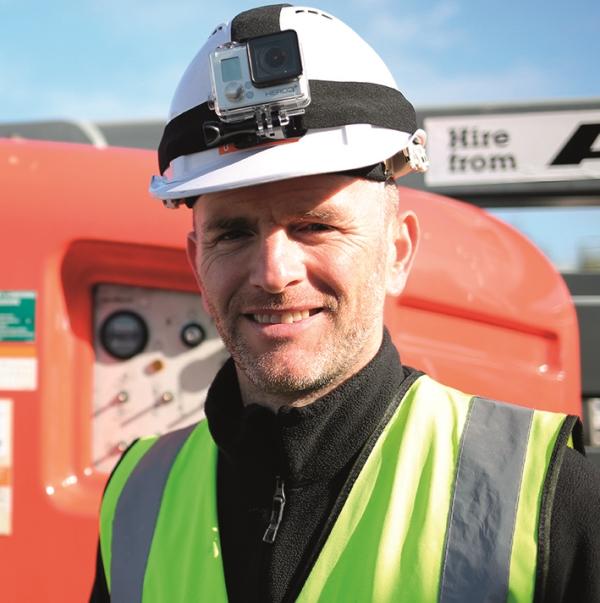
Brian Parker, head of safety and technical said: "A 24 percent reduction in fatalities is encouraging and demonstrates that sustained industry focus can make a real difference, but we cannot allow this progress to lead to complacency. Every reported incident provides valuable learning, and the data highlights where our attention must remain firmly fixed - particularly around electrocutions, falls from the platform, overturns, and the emerging increase in incidents involving mast climbers and construction hoists."
Brian Parker
“The report gives the powered access industry the evidence it needs to act, by strengthening planning and supervision, improving operator and frontline supervisor training, and reinforcing safe behaviours at every stage of powered access operations. By working together and continuing to share accident data, we can target our safety efforts where they are most needed and help reduce serious incidents and fatalities globally.”
The report draws on incidents submitted voluntarily to IPAF's global accident reporting portal between 2016 and 2025, so the figures reflect reported incidents rather than the total worldwide. It is available at http://www.ipaf.org/accident







Comments